South Korea 20 NOV '23
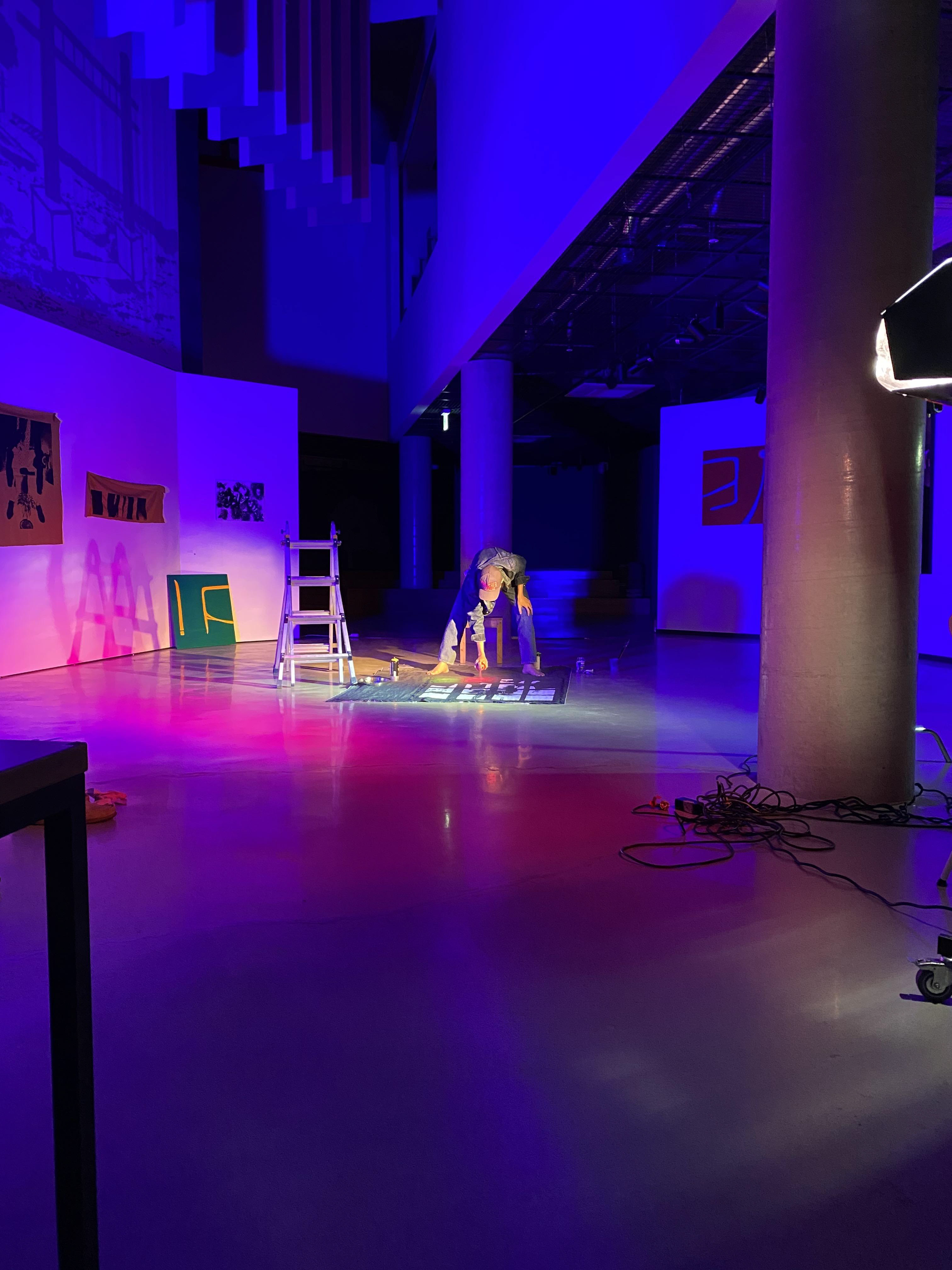
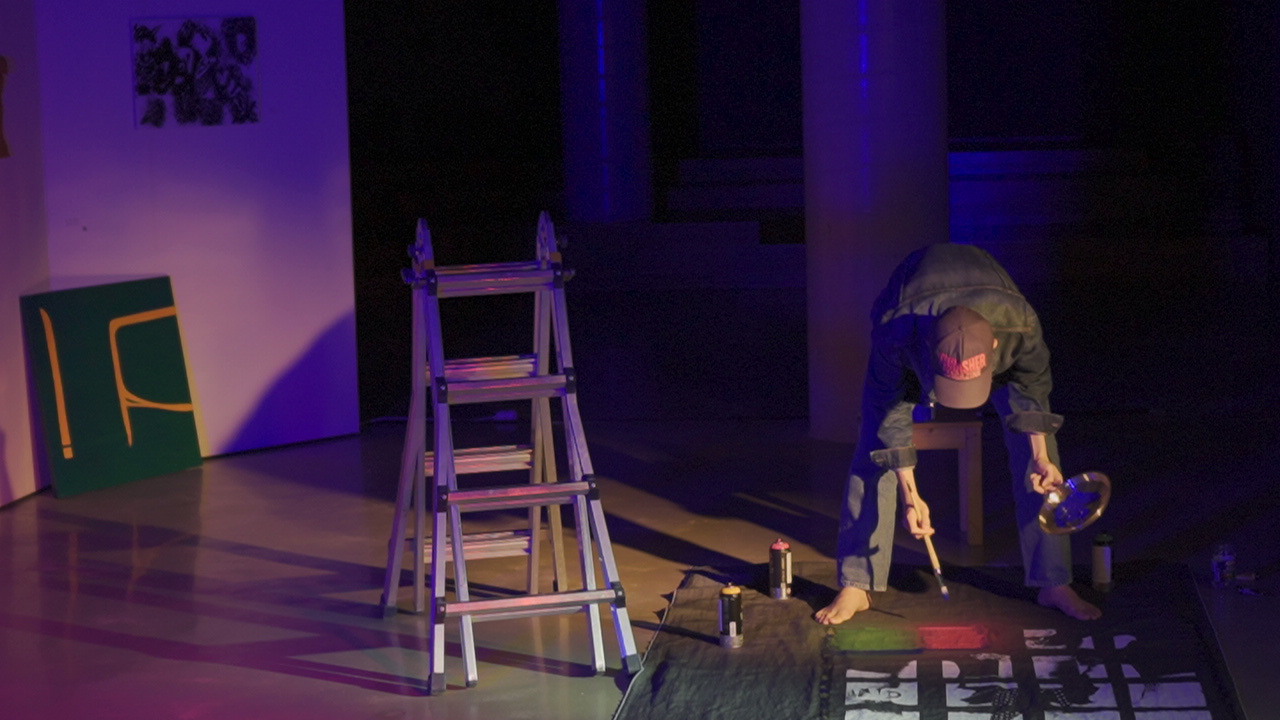
Site, Sight, Cite (2023) is a live painting project. Developed with the support of the Dongdaemun Culture Foundation and presented as part of the foundation’s Artist of the Month exhibition program.
The project is based on three homophones that share a similar pronunciation while carrying different meanings: site, sight, and cite. Each term refers respectively to place, perception, and reference.
The artist’s working space is conceptually transferred into the exhibition environment. It is encountered again under different conditions of viewing. Within this context, the act of painting cites the artist’s everyday studio practice. Repetitive gestures and habits reappear and are reactivated within the gallery.
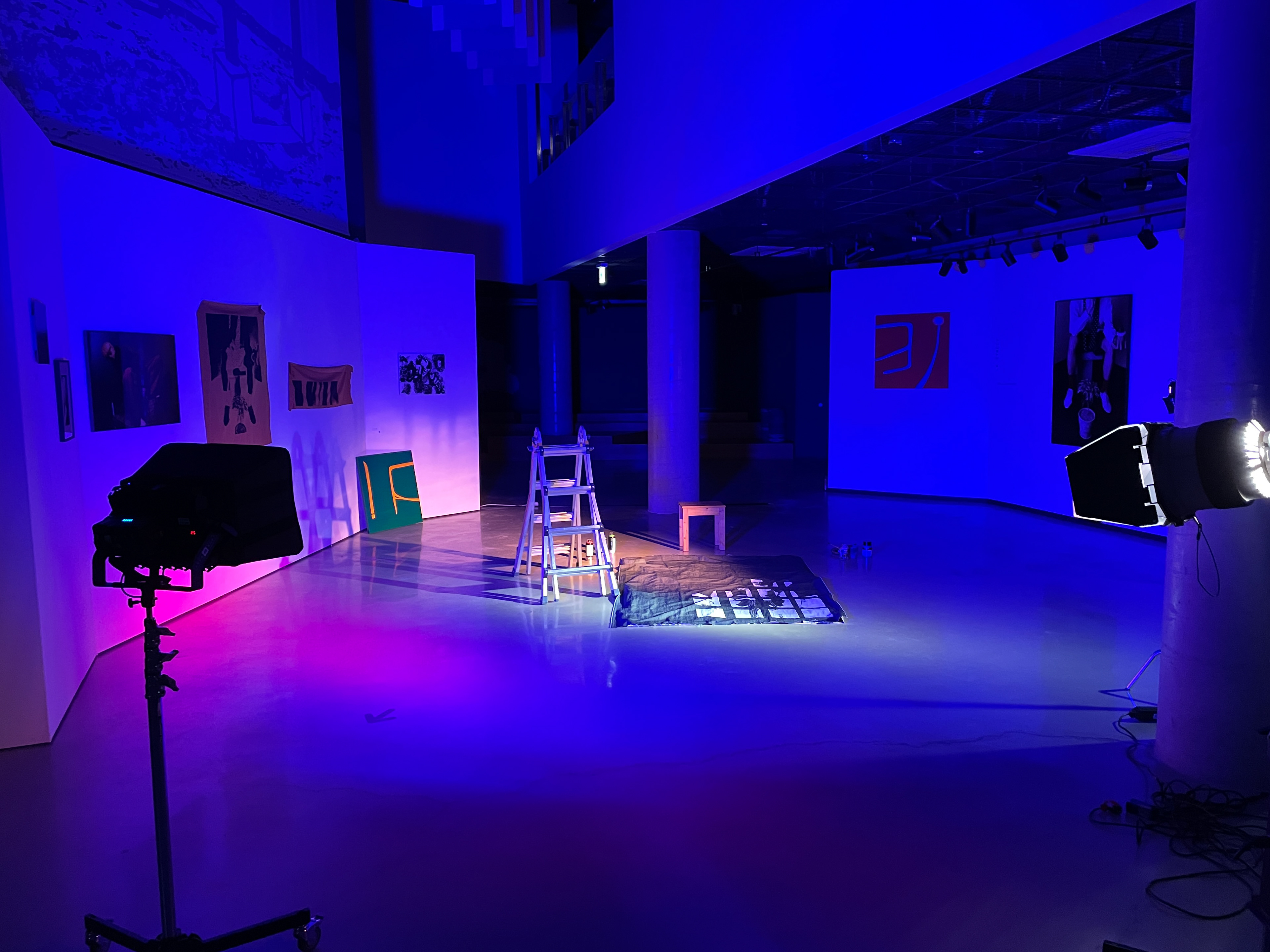
Dongdaemun Culture Foundation, Seoul
Site, Sight, Cite emerges from the tension between repetition and the present moment. The repetitive gestures and physical habits formed daily in the privacy of the studio are brought into the exhibition space to be performed anew. The project views this recall of familiar actions as a form of self-citation (cite).
In the studio, painting develops as a quiet routine structured by familiarity. Yet, when these same gestures unfold within the exhibition space (site), their status shifts under the public gaze (sight). What was once a private routine transforms into a time-based event occurring within a shared temporal frame.
This spatial and perceptual translation begs a playful yet central question: what, then, is ‘liveness’?
Is it truly a singular, unprecedented moment emerging in time? Or is it merely an old habit (cite), re-framed by a new location (site) and fresh eyes (sight), masquerading as something entirely new?